


Mission & Background
Mission & Background
Mission
To support the happy and healthy development of children and families affected by HIV.

Watch the Caris Haiti HIV Program story.
background
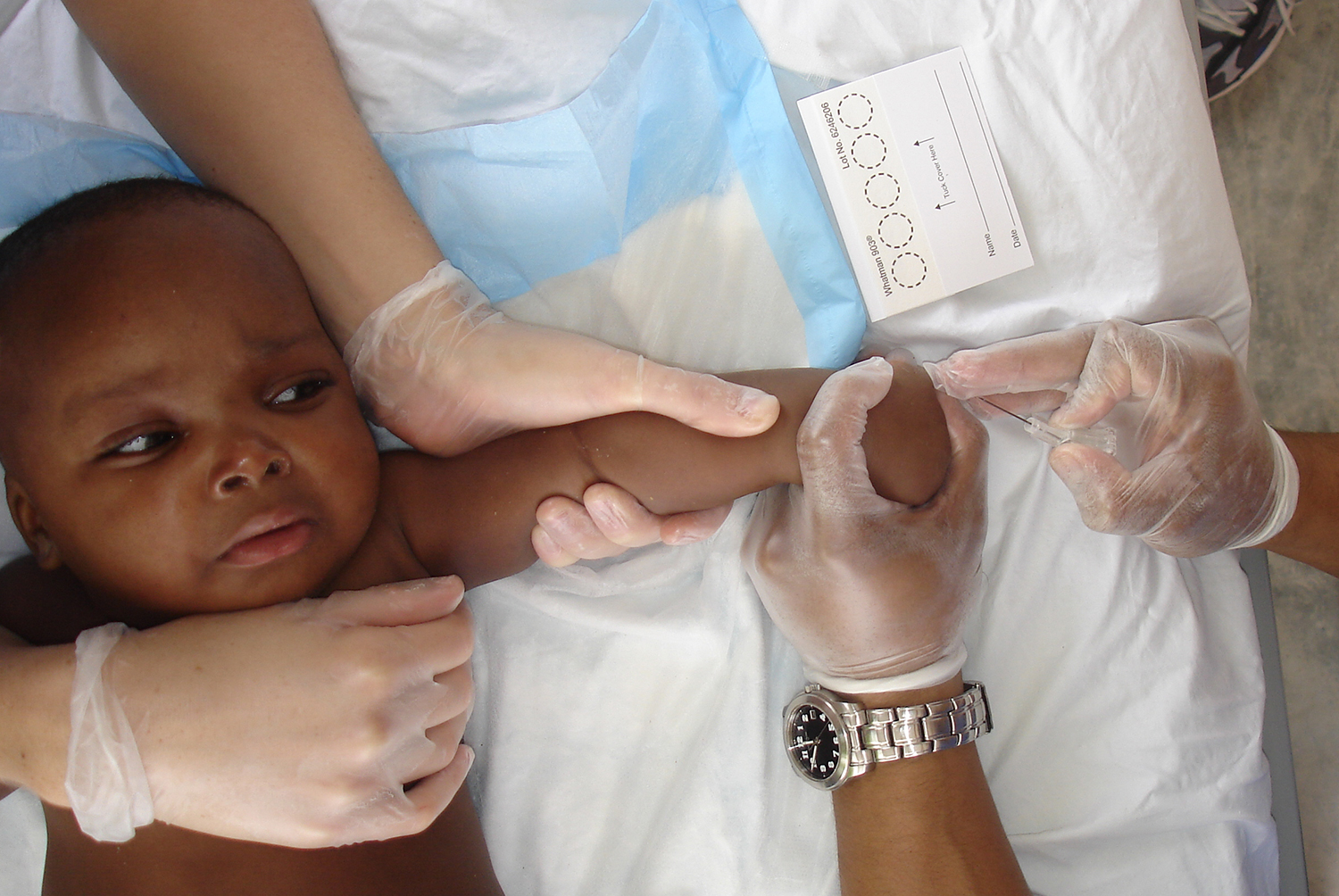
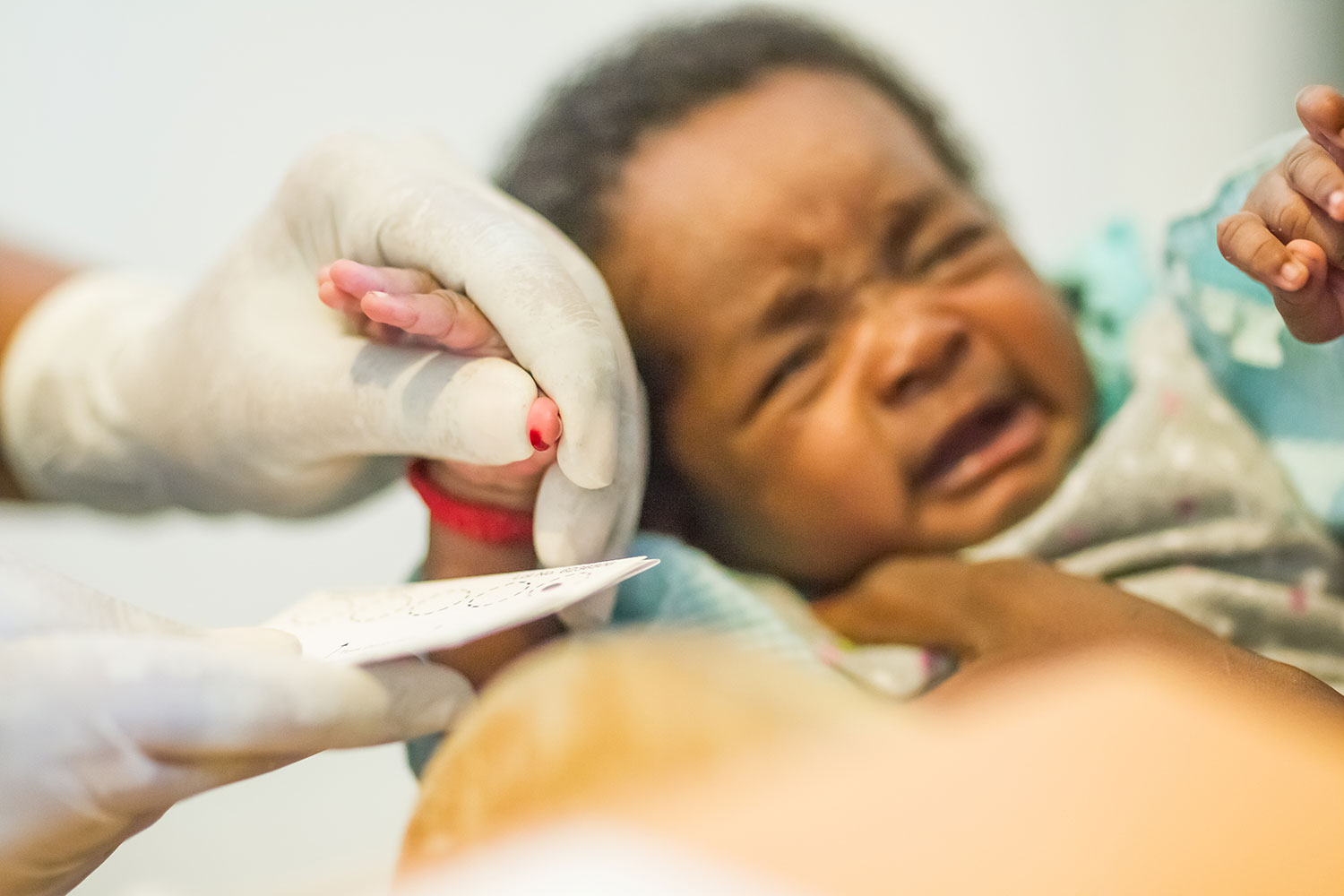
Caris began working in Haiti in 2007 initially with two hospitals, primarily in the field of Pediatric HIV with a focus on Early Infant Diagnosis (EID), testing children born to HIV positive mothers by PCR (Polymerase Chain Reaction). Caris continued to scale up and by 2013, was working in every region in Haiti and with over 100 hospitals. From 2013-early 2025, Caris Haiti received around $50 million dollars from USAID to run the largest Orphans and Vulnerable Children (OVC) program in Haiti, providing technical support to over 160 health facilities and OVC services to over 200,000 beneficiaries. With the cuts made to USAID globally, funding was withdrawn in February 2025 and Caris entered a close-out phase.
Since May 2025, activities are funded by Caris and we have been able to continue providing care and support to vulnerable children and their families living with and/or affected by HIV in Haiti. The Foundation currently supports over 50 hospitals in four provinces of the country, including several remote islands and hard-to-reach districts. Caris has three regional offices and approximately 100 staff who support our mission. We work in close partnership with the Ministry of Health, the National Laboratory of Public Health and many other Hospitals and Organizations with similar missions in Haiti. Caris currently runs an program that offers a comprehensive package of services to Orphans and Vulnerable Children (OVC) affected by and living with HIV.
Tracking, Follow-Up & Community Outreach
Tracking, Follow-Up & Community Outreach
Pregnant Women Living With HIV
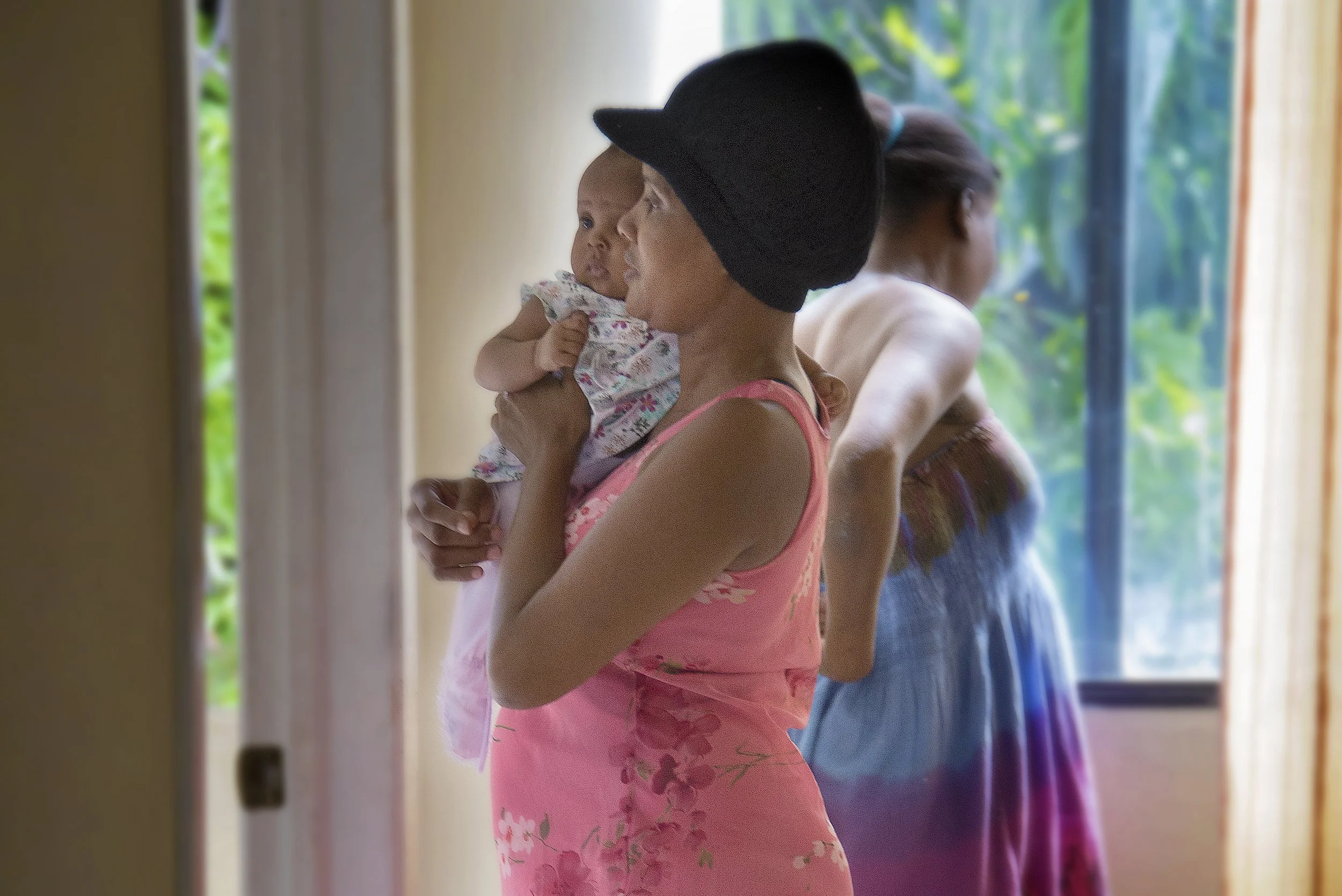
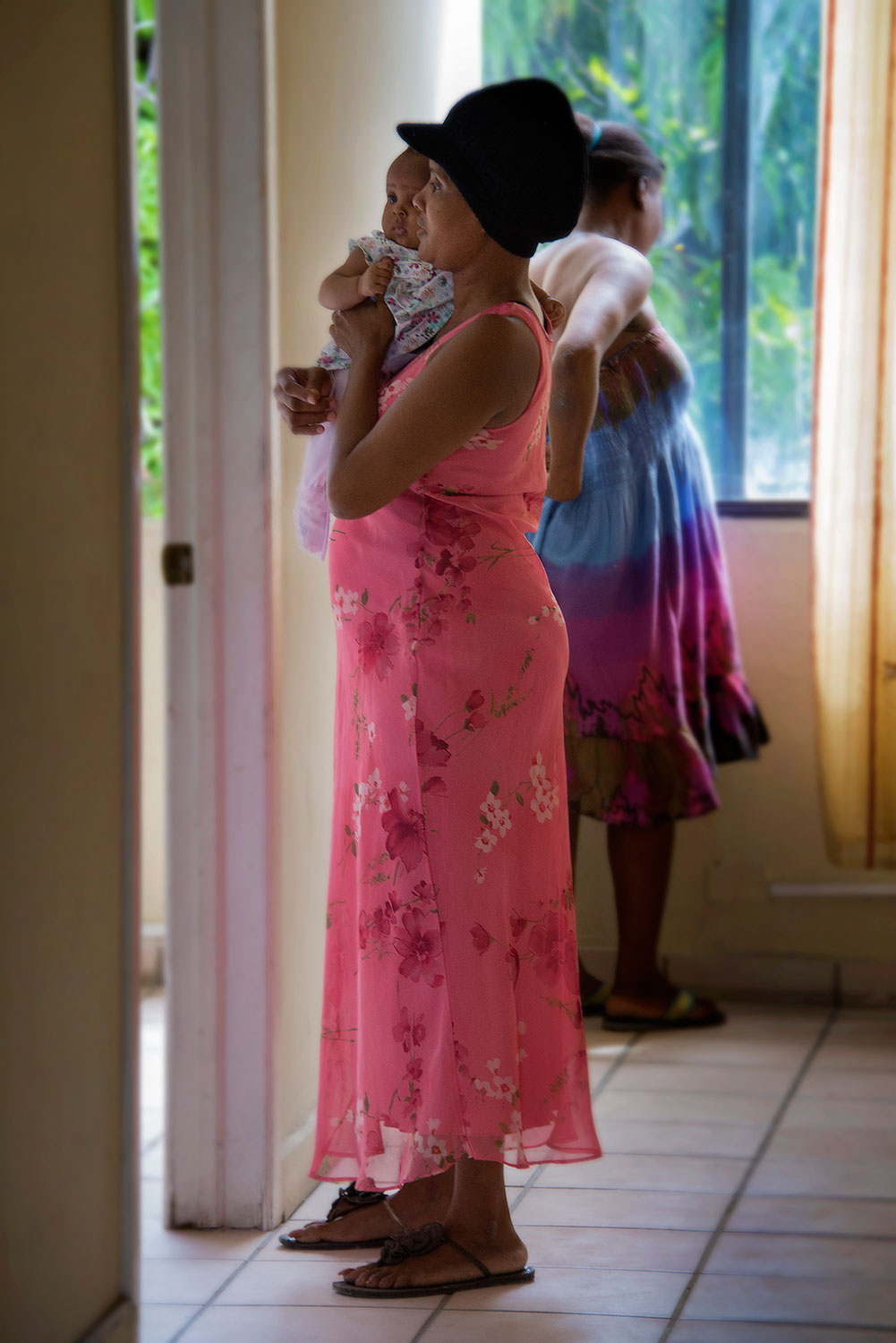
The Caris teams track all pregnant women living with HIV by obtaining monthly/bi-monthly lists of positive pregnant women enrolled at clinical sites. The Caris nurse coordinators ensure that they are placed on antiretroviral medication (ARVs) for life and that they attend hospital appointments on a monthly basis. Through home visits made by Caris Community Health Workers (CHWs), we provide counseling to emphasize the importance of: adherence, giving birth at a hospital setting, prophylaxis medication for their newborn baby before three days of age and exclusive breastfeeding.
Children and Adolescents Living With HIV
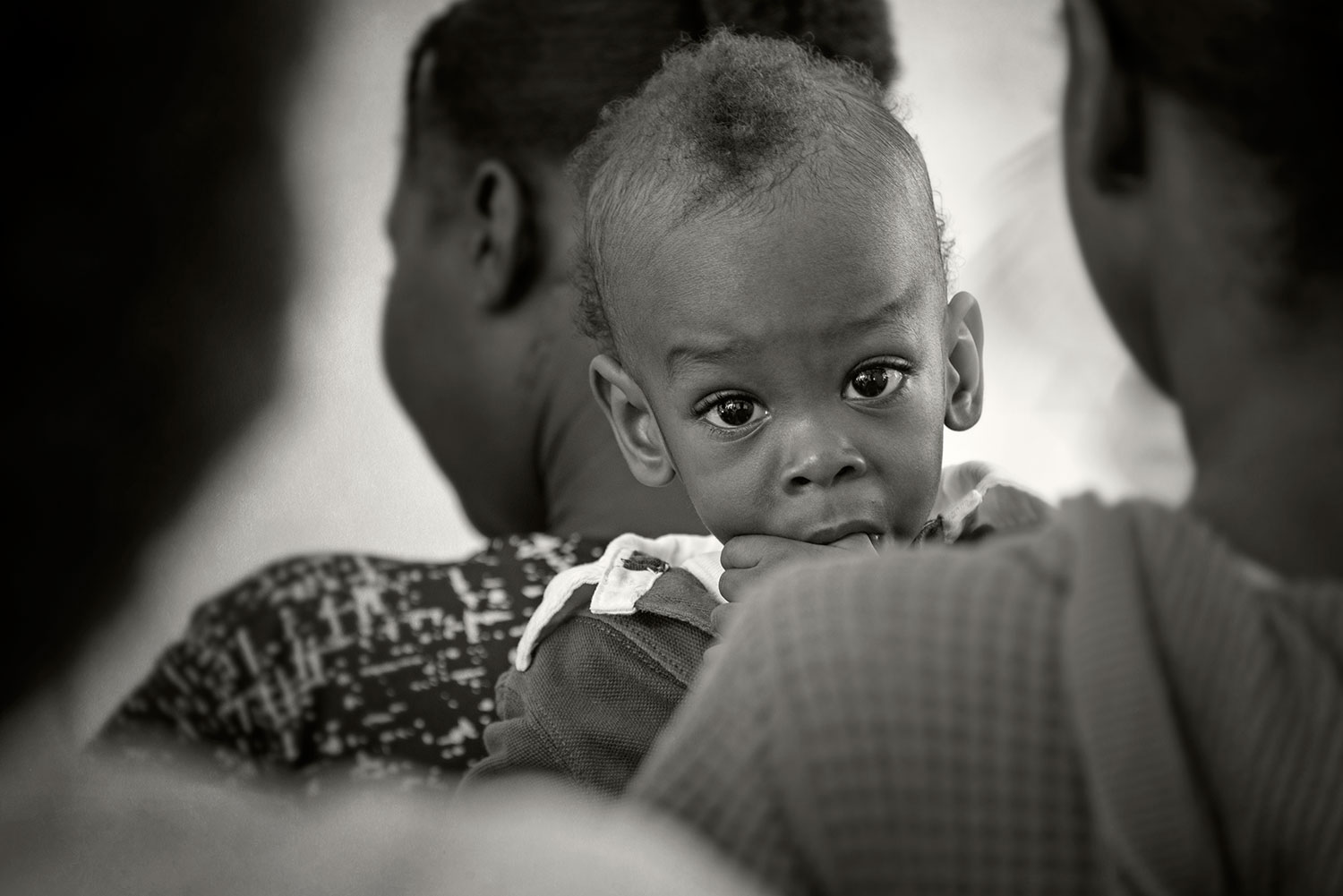
Caris Haiti tracks and assists the clinical follow-up of all children and adolescents living with HIV from birth until 18 years of age. This includes ensuring that they attend their medical appointments regularly, adhere to treatment, receive the appropriate lab tests and maintain an appropriate weight. Caris monitors around 1200 youth (0-18 years old) living with HIV, monthly.

Watch one of the Caris Health Agents tell her story.
Outreach activities by CHWs
Caris Community Health Workers (CHWs) conduct community-based outreach activities to identify and support children, adolescents, and families at risk of HIV and malnutrition. CHWs refer at-risk household members of children enrolled in the Caris OVC program for HIV testing and screen eligible children between 6 months and 5 years of age for malnutrition. They also identify and refer pregnant women in the community to nearby health facilities for prenatal care.
Caris CHWs’ household visits include:
Follow up with children and adolescents living with HIV who are lost-to - follow-up or who have missed Kids Club sessions.
Deliver antiretroviral therapy (ART) to OVC who are experiencing challenges with treatment adherence or who are unable to access health facilities to collect their medication.
Deliver prophylaxis to HIV-exposed infants born to women living with HIV who are already being followed up by CARIS.
Accompany OVC who are due for viral load testing to ensure timely access to testing and appropriate follow-up.
Accompany mothers living with HIV and their infants who are eligible for PCR testing, beginning at 4 weeks of age.
Psycho-Social Support
Psycho-Social Support
kids clubs
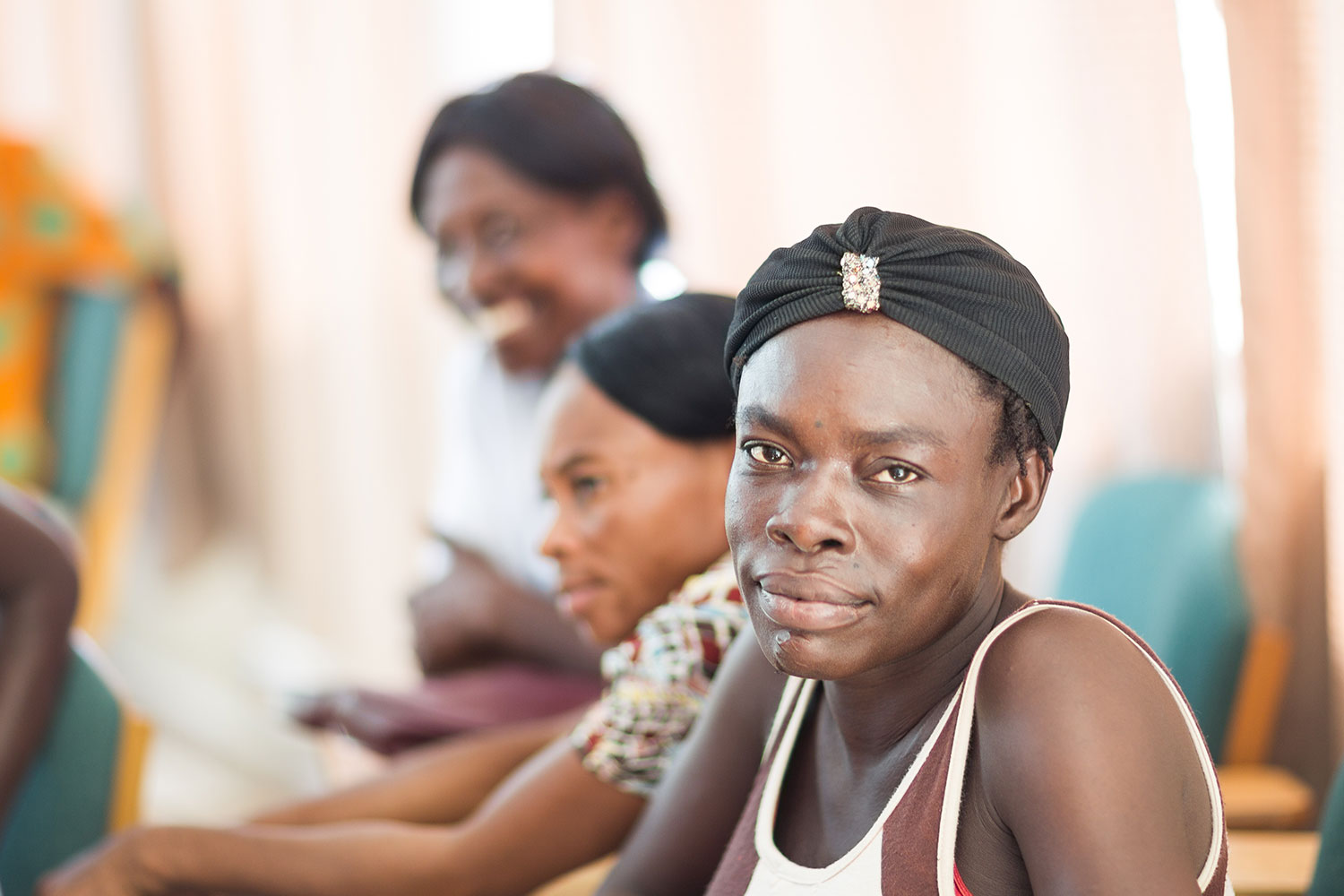
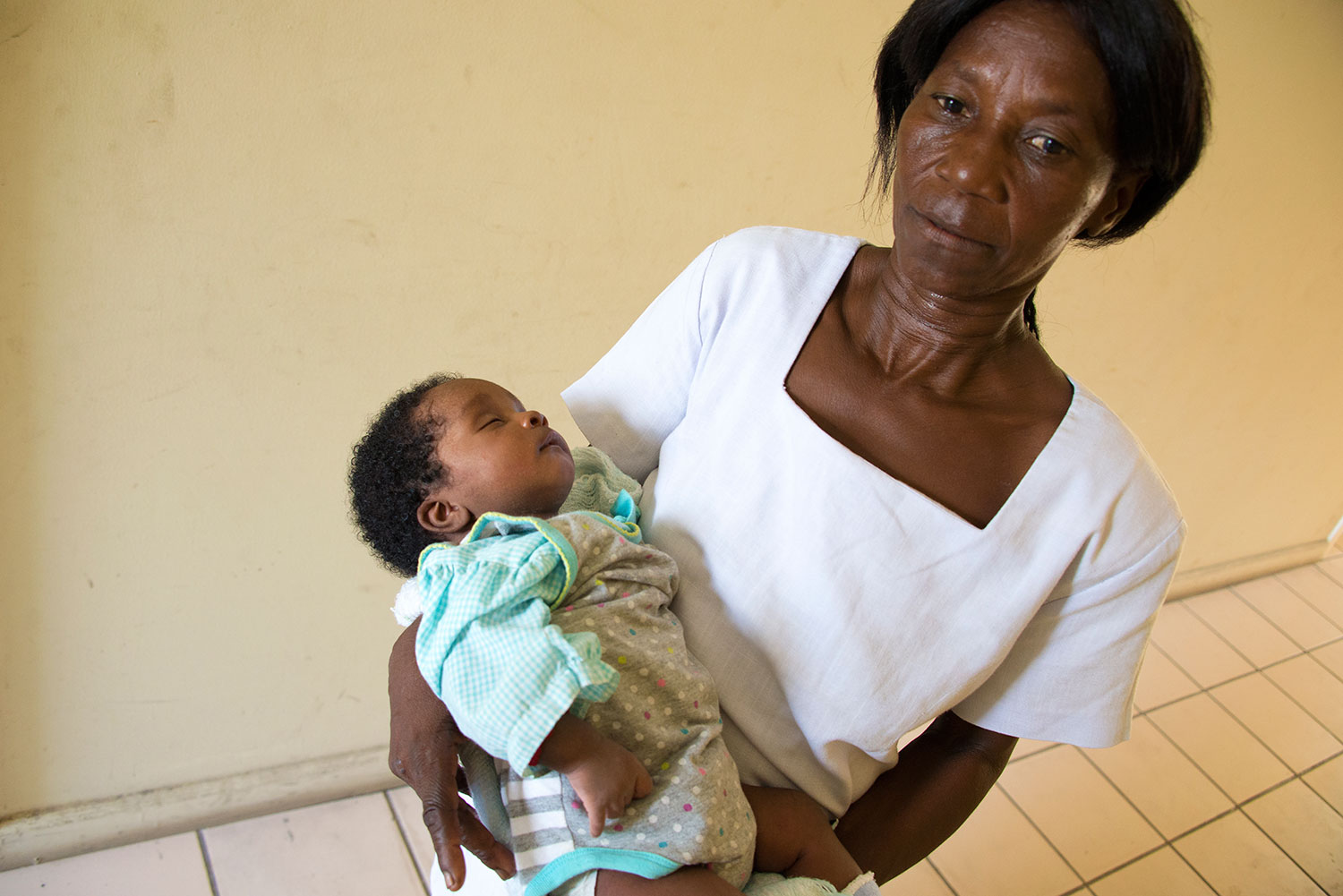
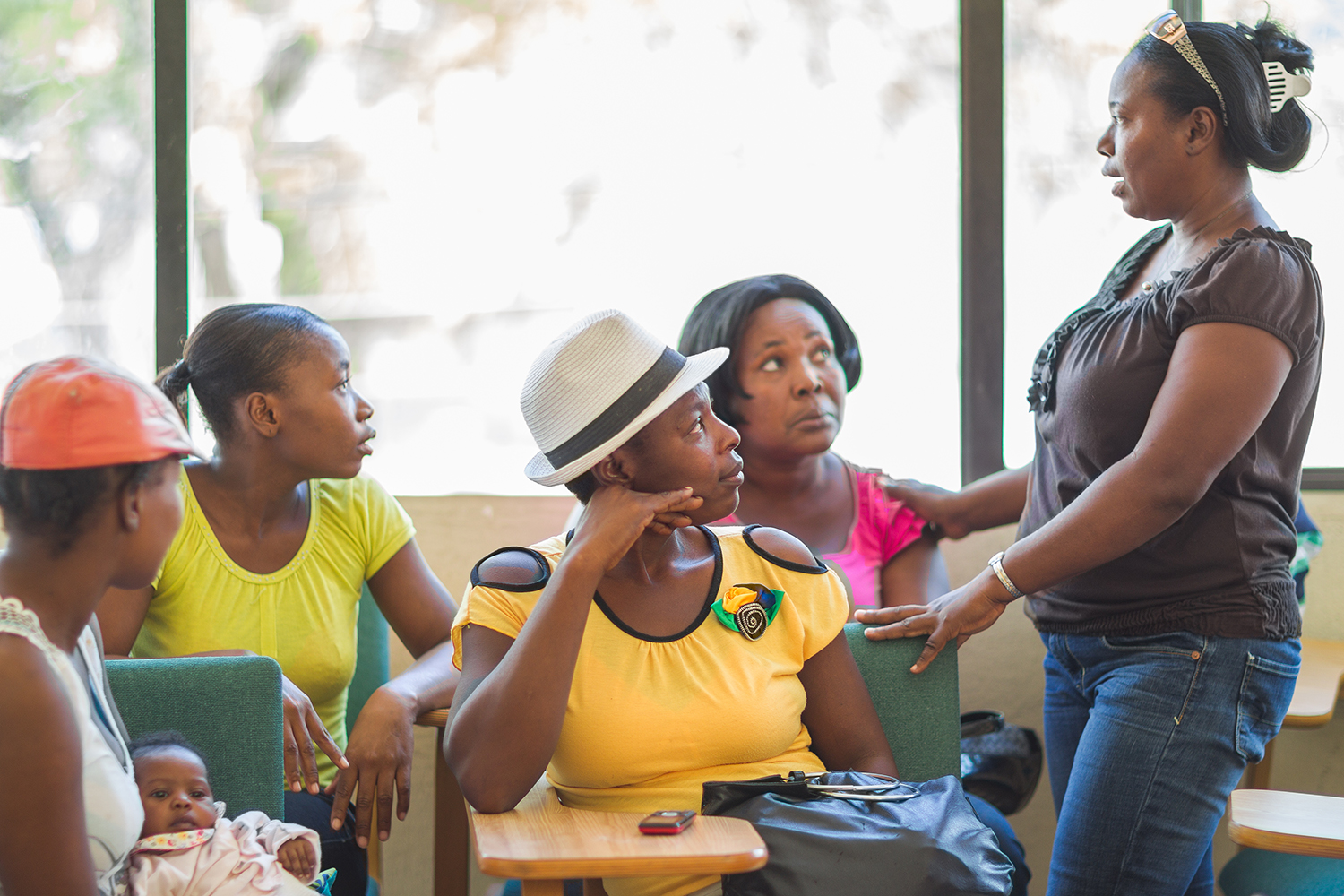
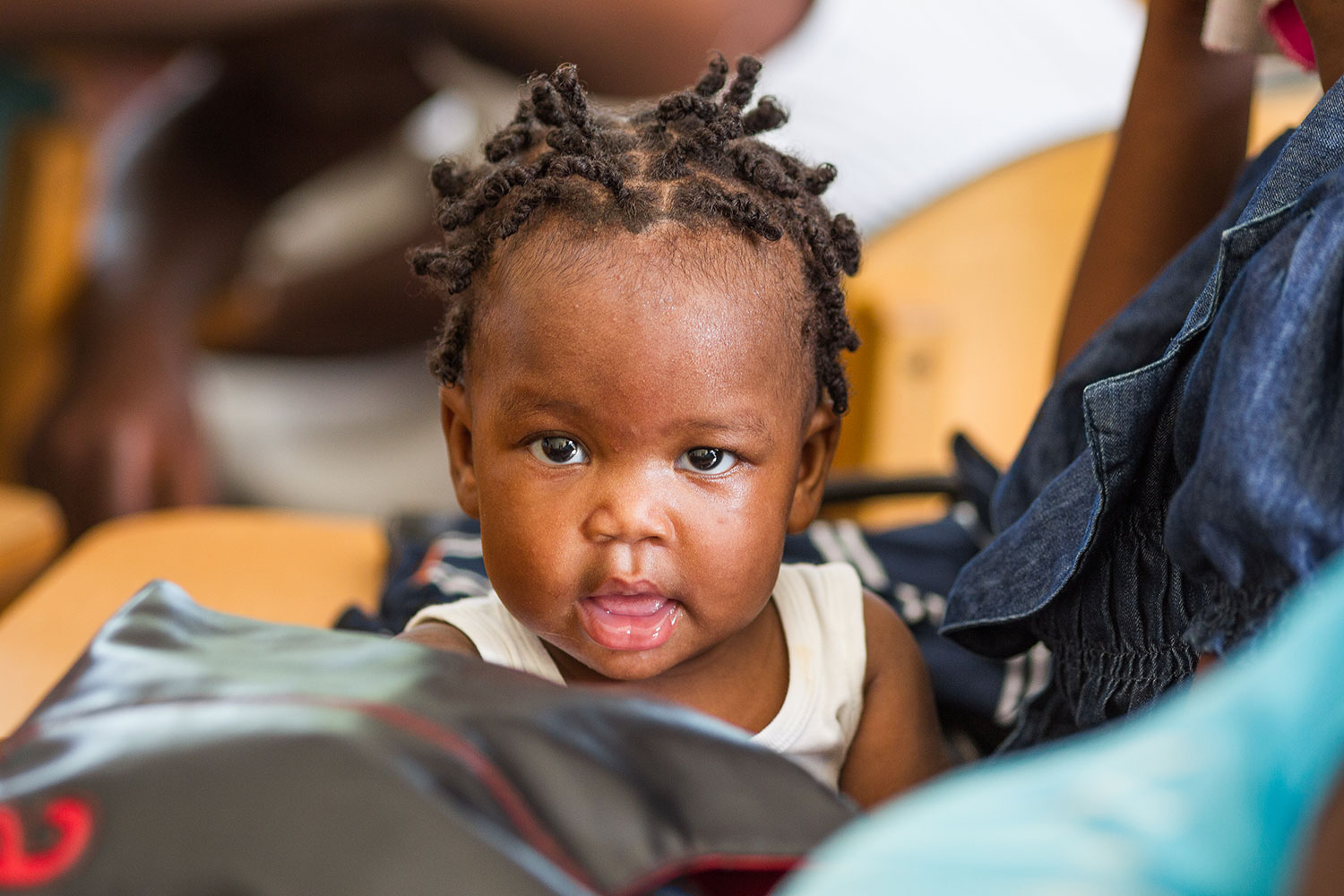
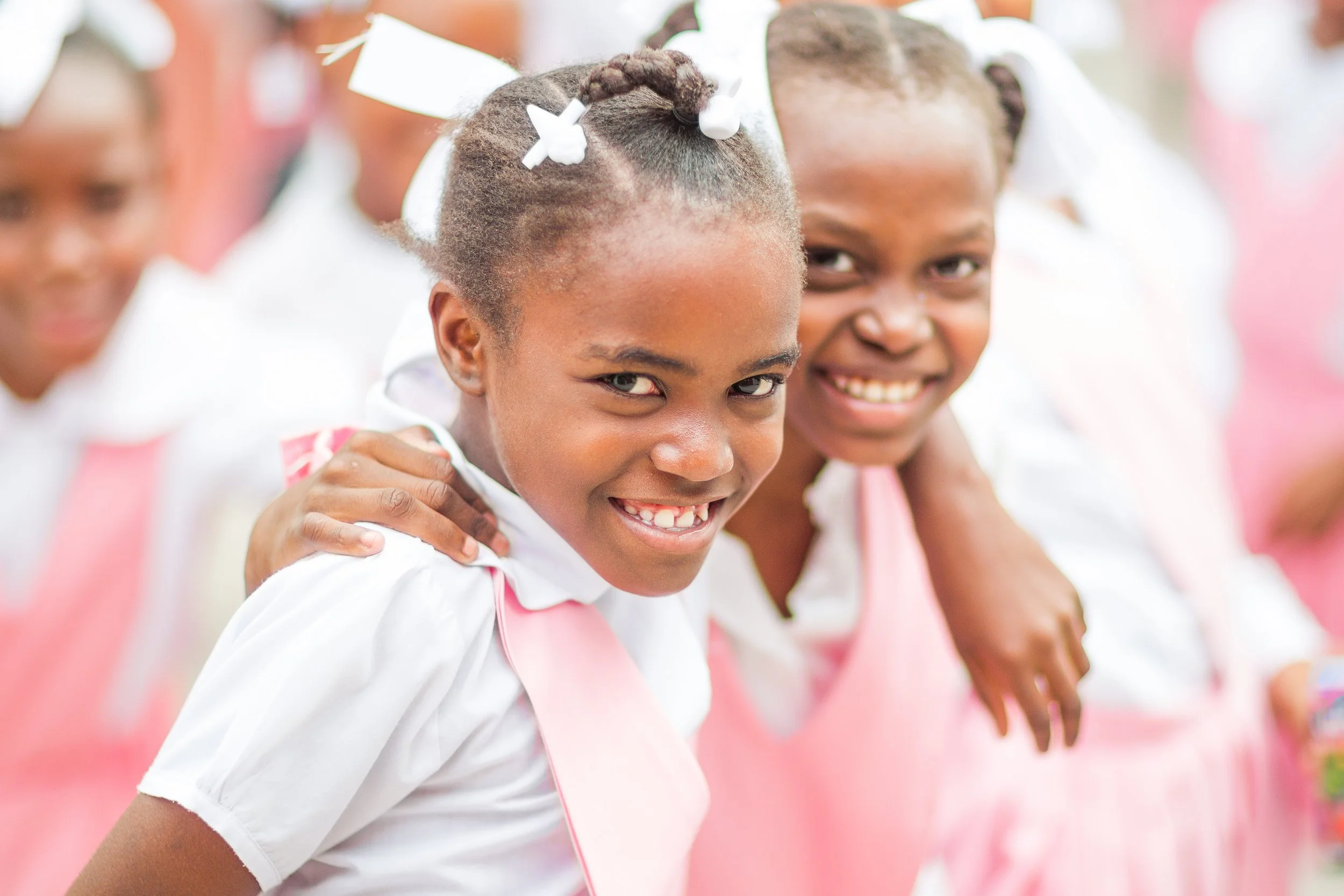
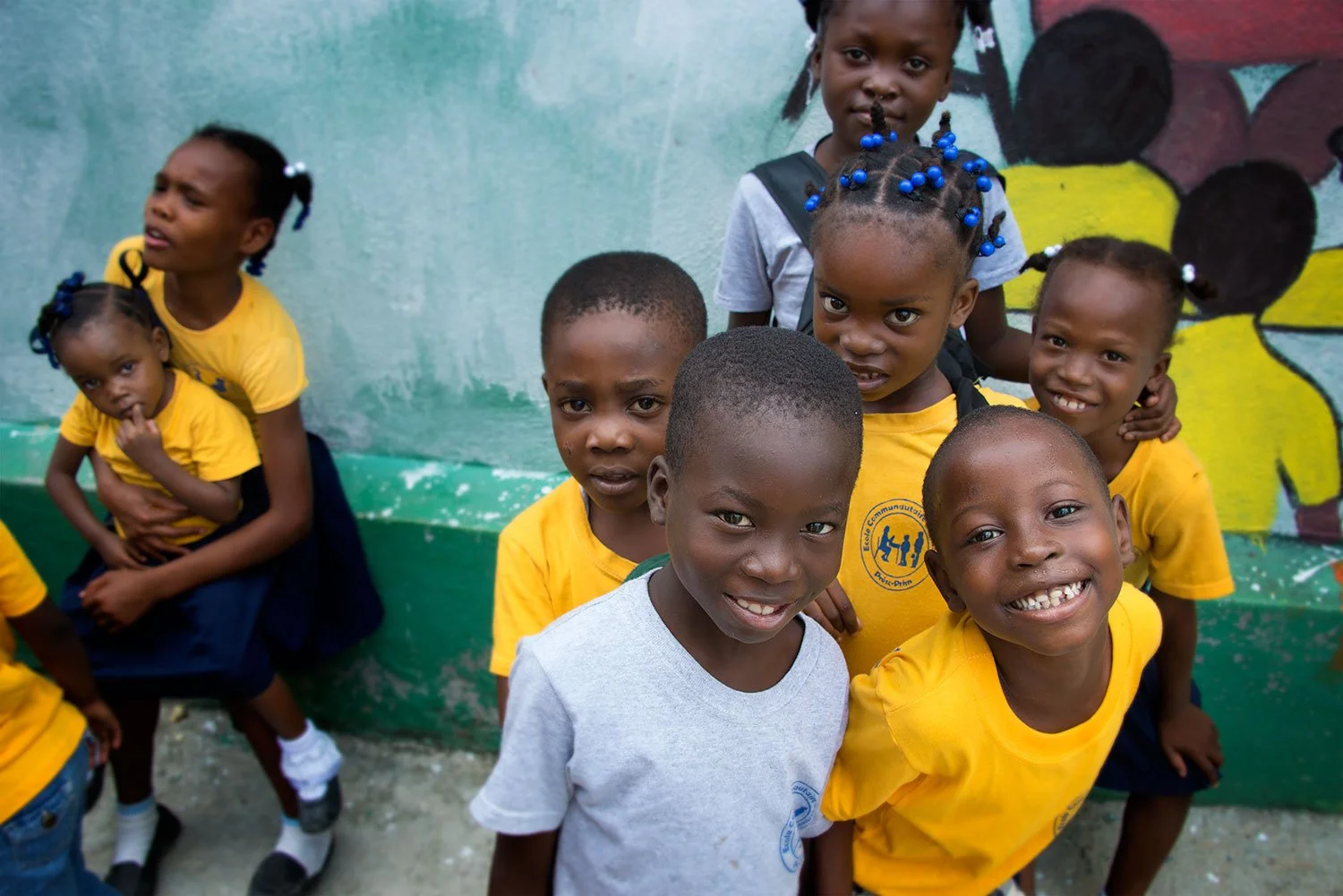
Caris has been running Kids clubs since 2011. Clubs are run nationally with nearly 700 participants currently enrolled. All children in the clubs are living with HIV and are between the ages of 9-18+. The clubs have a curriculum which cover key topics including: human rights, sexual health, stigma and discrimination, hygiene and understanding their status. Our aim is to equip young people with the knowledge to take successful ownership of their illness so that they can live healthy, happy lives and reach their full potential.
Mothers Clubs
There are currently more than 400 pregnant and breastfeeding women living with HIV enrolled in Mothers’ Clubs and receiving ongoing support and follow-up from Caris Community Health Workers (CHWs). The clubs provide a safe, supportive and confidential environment where women can connect with one another, share experiences, discuss challenges, and build confidence in managing their own and their children’s health. Caris staff uses these clubs to provide accurate, culturally appropriate health education, address misconceptions and common myths about HIV, and empower these women to make informed decisions about their care and treatment. All women participating in Mothers Clubs are screened for malnutrition and sensitized on CARIS’s household economic strengthening (HES) activities, with eligible women encouraged to participate.
Individualized Adherence Support
Caris social workers and psychologists when needed, provide individualized, one-to-one adherence support to OVC who are experiencing challenges with treatment adherence. This support helps children and adolescents take their medication consistently and on time, thereby increasing their likelihood of achieving and maintaining viral suppression.
24/7 HELPLINE
The free OVC helpline *4040 was set up by Caris to increase the coverage of OVC. It has also served to assist those who cannot receive home visits. This line is run by Caris social workers 24 hours per day and seven days per week. The purposes of the calls can vary from questions about sexual and reproductive health, HIV, psychological violence or gender-based violence (GBV), to relationship advice and information on current and past epidemics (covid, cholera).
Gender-Based Violence (GBV) Survivors
Caris follows up with survivors of gender-based violence (GBV), identified in the community or the helpline, to provide ongoing support and help address their psycho-social and emotional well-being. The Caris social workers and psychologists provide individualized psycho-social support and counseling, while maintaining a safe, confidential, and survivor-centered approach. When medical care or additional clinical follow-up is needed, survivors are referred to health facilities and supported in accessing the necessary services.

See how the Caris Mothers’ Clubs are positively impacting lives.
Household Economic Strengthening
Household Economic Strengthening
MICROFINANCE (MUSO)
In order to guide the most vulnerable out of poverty, Caris utilizes microfinance programs that help families caring for OVC, to become financially secure. The MUSO+ program consists of the creation of savings and lending groups, targeting areas of high HIV prevalence, to include a maximum number of OVC households. Caris fosters a sustainable approach whereby all participants contribute their own funds and the group decides together, the amount they would like to contribute on a weekly basis. The groups are considered “Plus” as participants receive the added benefit of health messaging, in addition to receiving financial and entrepreneurial training. Over the last year, Caris has been overseeing groups that account for over 1500 participants, of which 22% are people living with HIV or caregivers of youth living with HIV. Together the participants have saved over $160,000 USD and have given approximatively $98,000 out in loans.
Since 2025, Caris staff have been screening all MUSO beneficiaries for hypertension and diabetes as part of the program’s routine integrated health services, with beneficiaries requiring further assessment or care referred for appropriate clinical follow-up.

KITCHEN GARDENS
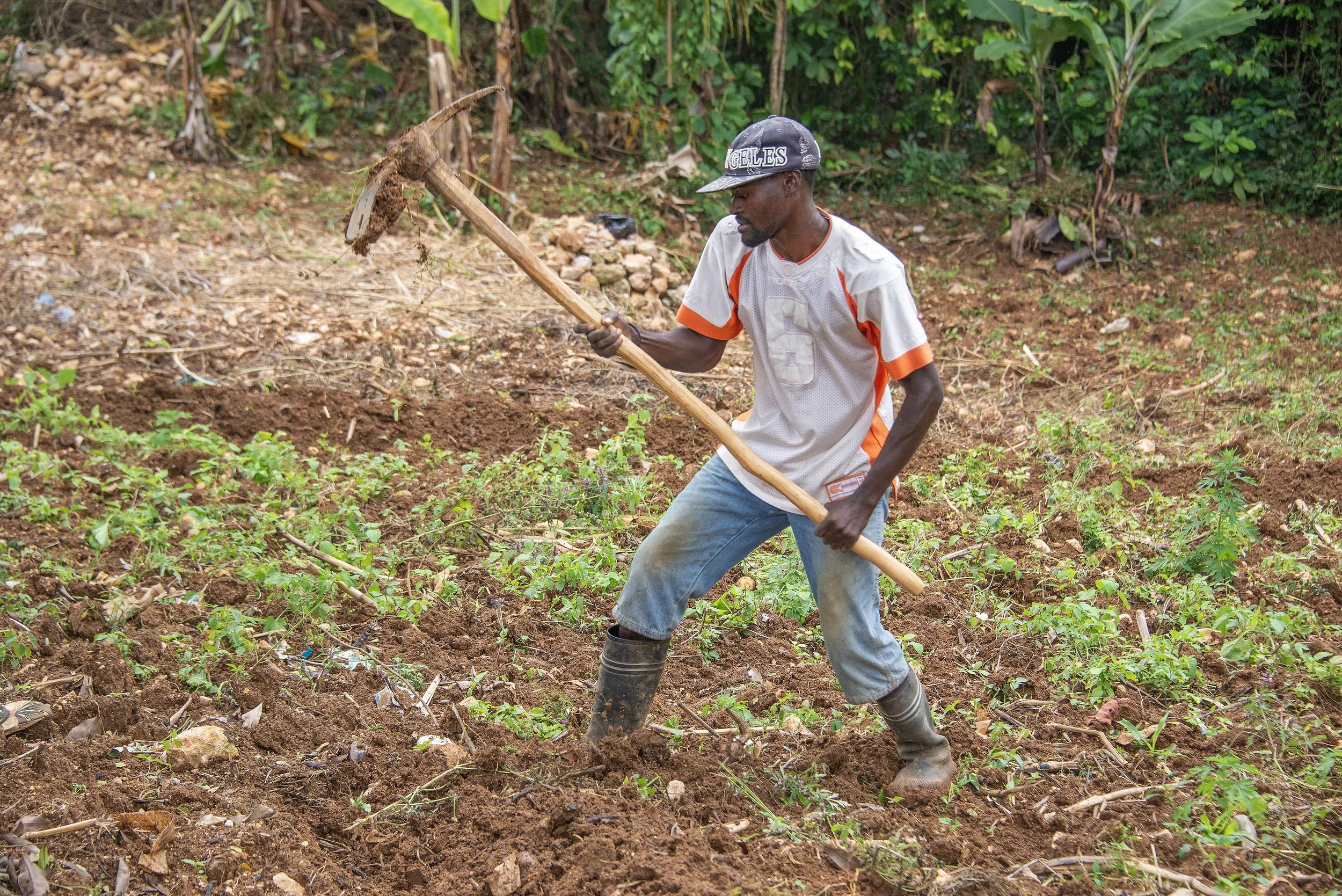
The Caris Kitchen Garden program has helped provide a sense of household security, physically, economically and nutritionally for its beneficiaries. The focus of this project is to strengthen women’s technical capabilities to establish, manage and use vegetables from their kitchen gardens. We endeavor to empower women to become more financially independent and nutritionally secure through increasing their knowledge and skill sets. Enrollment is conducted by the Caris CHWs (sensitization during Mothers Club sessions or home visits and community meetings), especially targeting women with malnourished children enrolled in the Caris Nutrition program, under five years of age. To ensure its sustainability, Caris provides them with support and opportunities for growth (recap training sessions, seed saving information and community gardens for interested parties). Caris has trained over 1500 individuals which established Kitchen Gardens since May 2025. Of these, 17% were PLHIV, from PMTCT clubs in Artibonite, Nord, and Nord-Est departments.
Nutrition
Nutrition
OVC 6 months-5 years old
Good nutrition is a critical factor in reducing infant mortality and builds a strong foundation for a child’s health, growth and development. Over more than a decade, Caris has been systematically assessing the nutritional status of OVC from 6 months to 5 years of age, using a Mid-Upper Arm Circumference (MUAC) measurement. Screenings are carried out in the community by Caris CHWs. Children with moderate malnutrition are provided with a course of Ready-To- Use-Therapeutic-Food (RUTF) and are monitored closely in the community until they reach an adequate weight and MUAC.
Severe-Acute Malnourished children are first referred to the nearest malnutrition unit if available. If the options are limited, the caregivers are given the option to bring their child to the Caris ITU based in Port au Prince. There, they are enrolled into the Caris Nutrition Program and provided with a care plan to help them attain MUAC measurements in the ‘normal’ range. During a child’s admission, caregivers attend sessions pertaining to health, and nutrition for example, how to have a balanced diet with limited means. All caregivers are enrolled into our HES program once discharged.
Since May 2025, Caris screened over 2,600 OVC and enrolled nearly 1,000 children into the Nutrition program.
Nutrition Clubs
The Caris nutrition clubs aim to develop healthy eating habits that enable children under five years of age to achieve good physical, mental, and cognitive development. The clubs meet every two weeks during the distribution of Readyto- Use Therapeutic Food (RUTF), bringing together parents and caregivers of malnourished children enrolled in the program. Neighbors are also sensitized on the importance of balanced nutrition and encouraged to join the clubs to strengthen community participation and support. Each nutrition club runs for six months, covering approximately three months while children receive RUTF and an additional three months after completion of treatment, to promote sustained healthy eating practices and continued nutritional well-being.
ITU
The Caris Intensive Care Unit (ITU) in Port-au-Prince, is operated by intensive care nurses and a pediatrician specifically allocated to the unit. It provides specialized inpatient care for children with severe acute malnutrition with associated medical complications who require a longer hospital stay to recuperate. The unit admits children up to 17 years of age, ensuring that those requiring intensive medical and nutritional support can receive appropriate treatment in a dedicated setting. Caris staff provide constant care and monitoring, with a focus on stabilizing children, managing complications, and supporting their recovery before discharge and follow-up in the community.
Haiti Data
Haiti Data
Data snapshot from 2013 to 2026:
35,623 infants tested by PCR test.
9,182 HIV+ children enrolled in Caris services.
3,264 HIV+ children enrolled in Caris clubs (9-18+years old).
10,619 pregnant/breastfeeding women in clubs.
173,735 household visits to Caris beneficiaries.
58,134 beneficiaries enrolled in MUSO.
15,536 beneficiaries enrolled in Kitchen Garden program.
12,219 children enrolled in Schooling program (2013-2024).
15,072 beneficiaries in Health Education program.
7,497 beneficiaries enrolled in nutrition program.
31,494 beneficiaries screened for malnutrition.
1,124,550 approx. number of Ready To Use Therapeutic Food (RUTF) packets distributed.
PARTNERSHIPS
HAITIAN MINISTRY OF HEALTH
Caris is a member of the Haitian Ministry of Health Nutrition Cluster as well as the Ministry of Health HIV Cluster. The Nutrition panel of experts assists with the development of the National Pediatric Guidelines for the management of malnourished children in Haiti and to the planning and coordination of related nutrition services. The HIV panel of experts assists with the development of the National Pediatric Guidelines for children living with HIV and the planning of related services.
Vitamin Angels: Distribution of Medical and Non-Medical products
Caris partners with Vitamin Angels for the distribution of Vitamin A and Albendazole to children under 5 years old. In addition to regular clinical visits, these supplements are often distributed during high impact interventions, such as mass vaccination campaigns, or rally posts in rural areas. Caris has also been distributing de-worming medication (albendazole) to beneficiaries enrolled in the nutrition program and targeted HIV testing program if the child is below 5 years old. Pre-natal vitamins are also given to pregnant women at the health facilities that Caris collaborates with, regardless of HIV status.
The Birthing Kit Foundation of Australia
Over the years of working in health facilities in Haiti, it was noted that a lack of delivery room materials was leading to increased maternal-child morbidity and mortality. Through a partnership with the Birthing Kit Foundation of Australia, Caris has been able to supply birthing kits to pregnant women, regardless of their HIV status since 2017.
Leadership
Leadership
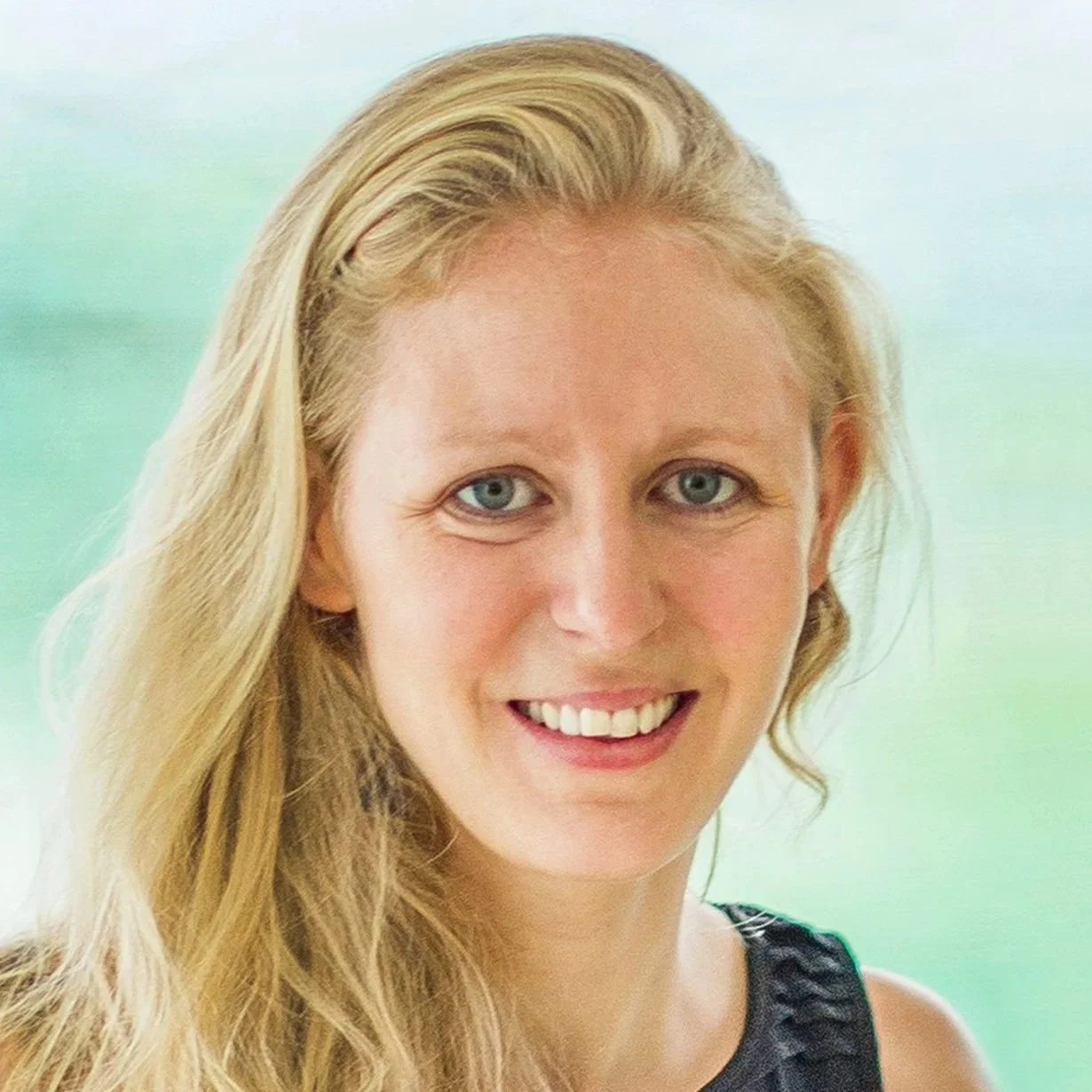
Tessa Lewis
Haiti DIRECTOR
Tessa grew up in the UK and graduated with a BA hons. in French and Italian from Leicester University. After spending her year abroad in France and Italy, she returned home to finish her final year and then went on to complete a Masters in PR. In 2007 she moved to Haiti as Program Director of the Caris Foundation where over the years that followed, she has overseen a team of over 400 staff with seven regional offices. Tessa developed curriculums and launched Kids Clubs and Mothers Clubs that have provided invaluable education and psyco-social support to over 3,000 adolescents and over 10,500 pregnant/breastfeeding women living with HIV. Tessa is currently the Country Director of Caris Haiti, overseeing all aspects of the program, ensuring targets are met and often over-achieved. She is passionate about the work and believes that through education and empowerment, everything is possible.
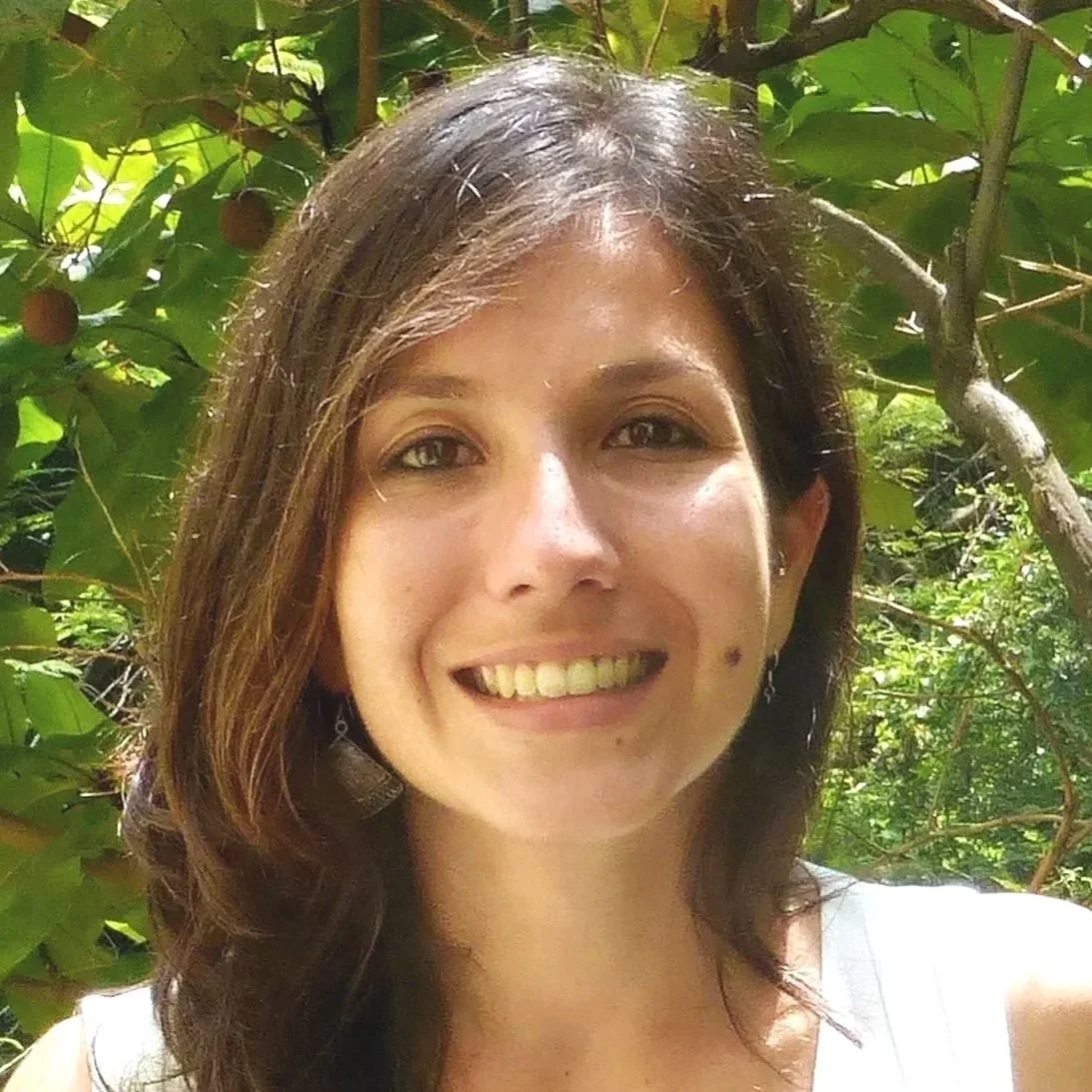
Elektra Carras-Terzian
Deputy Director
Elektra was born and raised in New York City to French-Greek parents. After completing pre-medical sciences at Johns Hopkins University, she worked in HIV clinical research and earned a Master’s in Public Health in Epidemiology from Columbia University in 2012. Upon graduating, she started working at Caris Foundation in Haiti, and became the Monitoring & Evaluation (M&E) Director in 2014. In this role, she developed data systems to monitor health programs targeting Orphans and Vulnerable Children (OVC) and their communities. In 2017, she transitioned to the USAID funded $98 million Santé project focused on strengthening health service delivery through achieving results through real-time decision-making and capacity-building initiatives. Since 2023, she is Deputy Country Director of Caris Haiti, specializing in M&E.
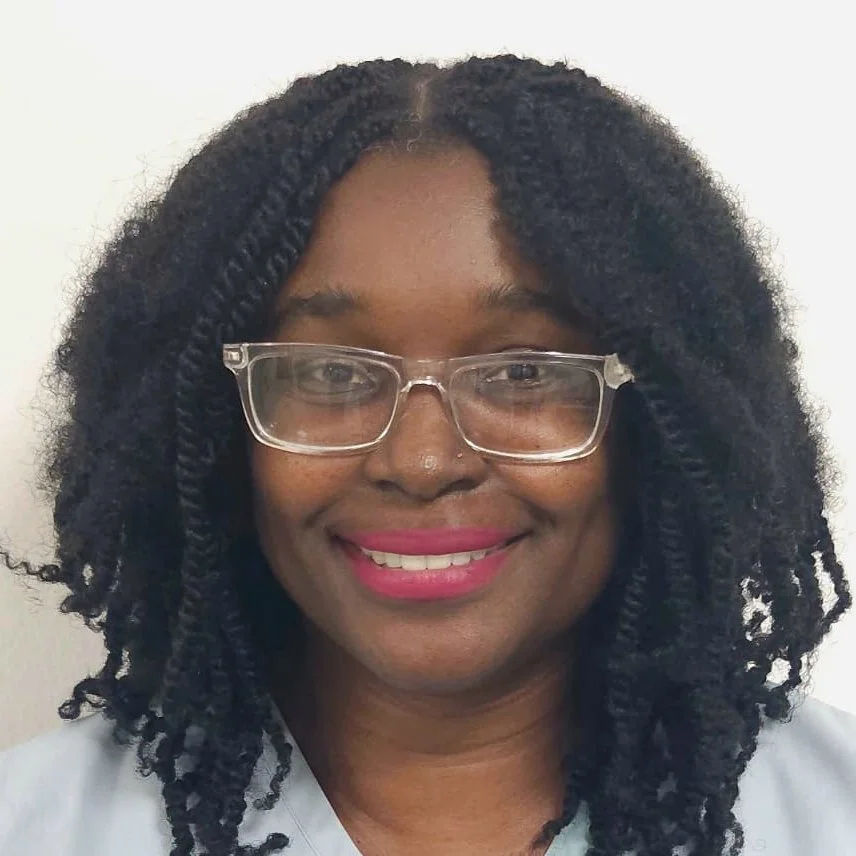
Dr. Sophia Charles
Program Manager
Born and raised in Port-au-Prince, Haiti, Dr. Sophia Charles has dedicated her career to public health and healthcare improvement in resource-limited settings. Sophia has been with the Caris Foundation International for over 8 years, initially as manager of OVC (Orphans and Vulnerable Children) services, overseeing the clinical and psycho-social programs. For the past 3 years, she has served as the Program Manager for Caris Haiti, directing and overseeing the Foundation’s programs throughout the country. In addition to having almost 15 years of experience in the domaine of infectious diseases, Sophia is a specialist in diabetology, having completed her Masters at the University of Montpellier. Recognized for her leadership and inclusive approach, she is passionate about supporting and empowering this vulnerable population.
Training Resources
Training Resources
HIV PCR/dried blood spot test
The following media resources provide basic training in the performance of a PCR (Polymerase Chain Reaction) or Dried Blood Spot Test. If you have any questions, please email us by clicking here.


test sheet
French – Example Test Sheet – Download Pamphlet – PDF
using tablets for children
Haitian Creole – Training Sheet – Download Pamphlet – PDF